← Back to all nutrition guides | About Our Content

Diet Without Calorie Counting
Reviewed by The Today's Food Coach Team
Our team of nutrition researchers and AI specialists ensures every guide is accurate and practical.
A realistic guide for busy professionals over 40.
Many men aged 40 to 65 look for ways to lose weight and improve their diets without the burden of calorie counting. Shifting to a diet without calorie counting allows focusing on the quality and variety of food instead of strictly measuring how much is consumed. This approach can make healthy eating more sustainable and enjoyable, empowering individuals to take charge of their health without feeling deprived. Adopting simple habits like mindful eating, choosing whole foods, and understanding portion control leads to better nutrition and effective weight loss. Rather than obsessing over numbers, developing a deeper connection with food creates a more positive eating experience, particularly important during this life stage when metabolic changes can make weight management more challenging.
Want a personalized version of this strategy?
Try the AI Food Coach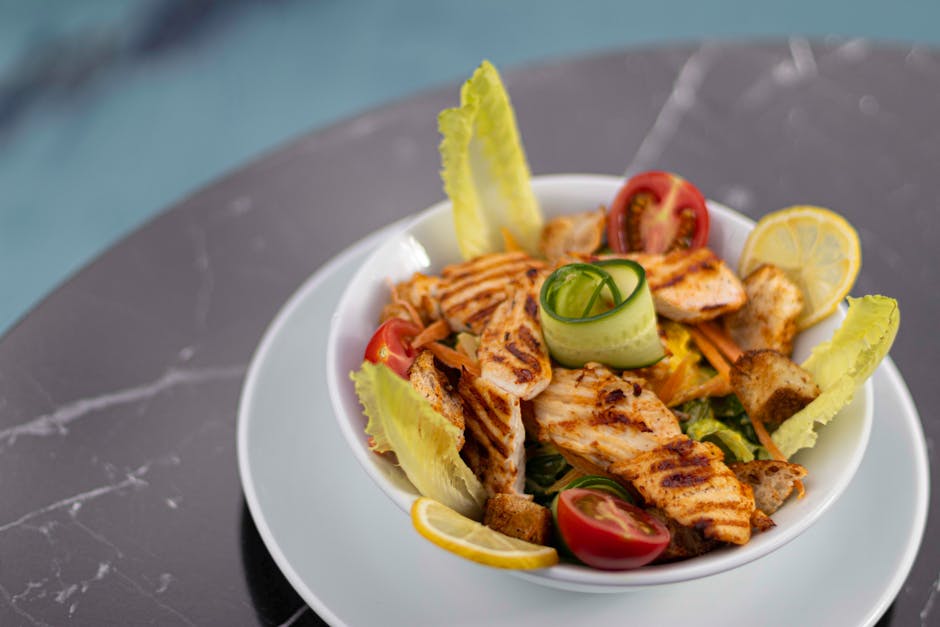
Why Diet Without Calorie Counting Matters
Understanding the importance of a diet without calorie counting is crucial for men in their 40s to 60s who often face metabolic changes and health concerns. Traditional calorie counting can lead to frustration and unhealthy relationships with food. By focusing on the nutritional quality of what is consumed, individuals can make wiser choices that nourish their bodies while promoting weight loss. It shifts the focus from restrictive eating to embracing whole, nutritious foods that instill energy and vitality. Additionally, this method encourages mindfulness and awareness in eating habits, leading to better digestion and satisfaction. Adopting a satisfying approach allows for personal acceptance of body changes, creating a healthy mindset that supports long-term success in weight management, improved overall health, and an increased quality of life. By prioritizing whole foods and mindful practices, men can enhance their diets without feeling restricted, leading to healthier habits that develop naturally over time.
Simple Strategy
- Focus on whole foods like fruits, vegetables, whole grains, and lean proteins.
- Practice mindful eating by paying attention to hunger cues and chewing slowly.
- Serve smaller portions to help reduce overall food intake without counting calories.
These strategies work best when personalized to your lifestyle and goals.
Build Your Personalized Nutrition Plan
Most people know what foods are healthy. The hard part is knowing what to eat today. Today's Food Coach creates a simple, personalized daily plan based on your goals and lifestyle.
Start Your PlanExample Day of Eating
Start your day with a hearty breakfast of oatmeal topped with fresh berries and a sprinkle of nuts. For lunch, enjoy a colorful salad packed with mixed greens, grilled chicken, avocado, and a light vinaigrette. Dinner could feature baked salmon with steamed broccoli and quinoa, topped off with a piece of dark chocolate for dessert, ensuring every meal is satisfying and nutritious without the stress of counting calories.
Common Mistakes
- Skipping meals, which can lead to overeating later.
- Relying too much on processed foods that may appear healthy but are loaded with hidden sugars and fats.
- Ignoring portion sizes and eating directly from packages rather than serving on plates.
Practical Tips
- Keep healthy snacks like fruits and nuts readily available to avoid unhealthy choices.
- Drink plenty of water throughout the day to help control hunger.
- Plan meals in advance to incorporate a variety of nutrients and reduce impulsive eating.
Frequently Asked Questions
Can I lose weight without counting calories?
Yes, focusing on whole foods and mindful eating can effectively lead to weight loss without the need for calorie counting.
How do I practice mindful eating?
Start by eliminating distractions during meals, chew slowly, and pay attention to your body's hunger and fullness signals.
What are some examples of whole foods?
Whole foods include fresh fruits, vegetables, whole grains, lean meats, nuts, seeds, and legumes, which are all nutrient-dense options.
Related Nutrition Guides
- How To Lose Weight After 45 Male
- How To Stop Overeating At Night
- What To Eat At A Restaurant To Lose Weight
Try Today's Food Coach
Generate a personalized meal strategy based on your lifestyle and goals.
Try the AI Food Coach