← Back to all nutrition guides | About Our Content
Easy Healthy Meals For Men Over 40
Reviewed by The Today's Food Coach Team
Our team of nutrition researchers and AI specialists ensures every guide is accurate and practical.
A realistic guide for busy professionals over 40.
As men enter their 40s and beyond, maintaining a nutritious diet becomes increasingly important for overall health, energy, and weight management. Easy healthy meals can make a significant difference, especially for men aged 40 to 65 looking to shed some pounds without the stress of calorie counting. The key lies in focusing on balanced meals that provide essential nutrients while promoting satiety. By incorporating simple, wholesome ingredients into everyday meals, you can support your weight loss goals and improve your well-being. This article offers practical ideas for easy healthy meals that fit seamlessly into your busy lifestyle, making it easier to eat better at any age.
Want a personalized version of this strategy?
Try the AI Food Coach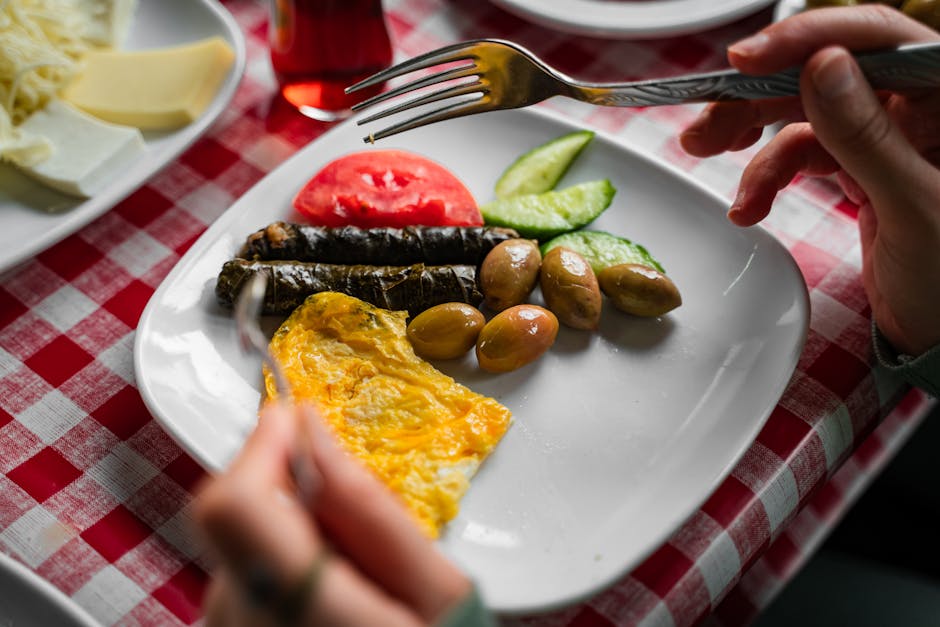
Why Easy Healthy Meals For Men Over 40 Matters
Healthy eating is crucial for men over 40 as it directly influences physical health, weight management, and overall quality of life. With aging, metabolism can slow down, making weight loss more challenging. Furthermore, the risk of chronic illnesses such as heart disease, diabetes, and hypertension tends to increase with age. By making conscious choices about what you eat, you can not only manage your weight but also reduce the risk of these health issues. Simple, nutrient-dense meals help to fuel your body and keep energy levels balanced throughout the day. Additionally, maintaining a balanced diet is linked to better mental clarity and improved mood, which is equally essential during this life stage. Prioritizing healthy meals doesn't have to be complicated or time-consuming. Adopting a few simple strategies can lead to significant changes in your health, making it easier to enjoy life fully.
Simple Strategy
- Focus on whole foods like vegetables, lean proteins, and whole grains for balanced meals.
- Prepare meals in bulk to save time and ensure you have healthy options available.
- Incorporate different flavors and textures to maintain interest in your meals.
These strategies work best when personalized to your lifestyle and goals.
Build Your Personalized Nutrition Plan
Most people know what foods are healthy. The hard part is knowing what to eat today. Today's Food Coach creates a simple, personalized daily plan based on your goals and lifestyle.
Start Your PlanExample Day of Eating
Start your day with a hearty breakfast of scrambled eggs, spinach, and whole grain toast. For lunch, consider a quinoa salad topped with grilled chicken, mixed greens, and a drizzle of olive oil. In the evening, enjoy baked salmon with a side of roasted vegetables. This meal plan is nutritious and easy to prepare, ensuring you stay satisfied without the need for constant snacking.
Common Mistakes
- Overcomplicating meal prep, which can discourage healthy eating.
- Skipping meals, leading to overeating later in the day.
- Relying too heavily on processed foods that are high in calories but low in nutrients.
Practical Tips
- Keep healthy snacks like fruits and nuts on hand to avoid temptation.
- Plan your meals at the beginning of the week to stay organized.
- Stay hydrated by drinking plenty of water throughout the day.
Frequently Asked Questions
How can I meal prep effectively?
Choose a day to prepare meals in batches and store them in portion-sized containers for easy access.
What are some easy healthy snacks?
Fresh fruits, yogurt, and raw vegetables with hummus are great options that are both nutritious and satisfying.
Is it necessary to follow a strict diet?
No, focusing on balanced, healthy meals rather than strict dieting can lead to more sustainable weight loss.
Related Nutrition Guides
- Intermittent Fasting Meal Plan
- How To Lose Weight After 45 Male
- Healthy Options At A Steakhouse For Weight Loss
Try Today's Food Coach
Generate a personalized meal strategy based on your lifestyle and goals.
Try the AI Food Coach