← Back to all nutrition guides | About Our Content

Weight Loss Meal Plan For Men 50
Reviewed by The Today's Food Coach Team
Our team of nutrition researchers and AI specialists ensures every guide is accurate and practical.
A realistic guide for busy professionals over 40.
As men age, maintaining a healthy weight becomes increasingly important for overall health and well-being. A weight loss meal plan for men over 50 should focus on nutritious foods that support metabolism, boost energy levels, and promote heart health. Instead of complicated calorie counting, men in this age group can achieve weight loss by making better food choices and adopting a balanced eating pattern. This article will provide practical strategies for creating a weight loss meal plan tailored to men aged 50 and older, emphasizing simplicity and sustainability. By understanding the essential components of a well-rounded diet, you can embark on a weight loss journey that aligns with your goals and lifestyle.
Want a personalized version of this strategy?
Try the AI Food Coach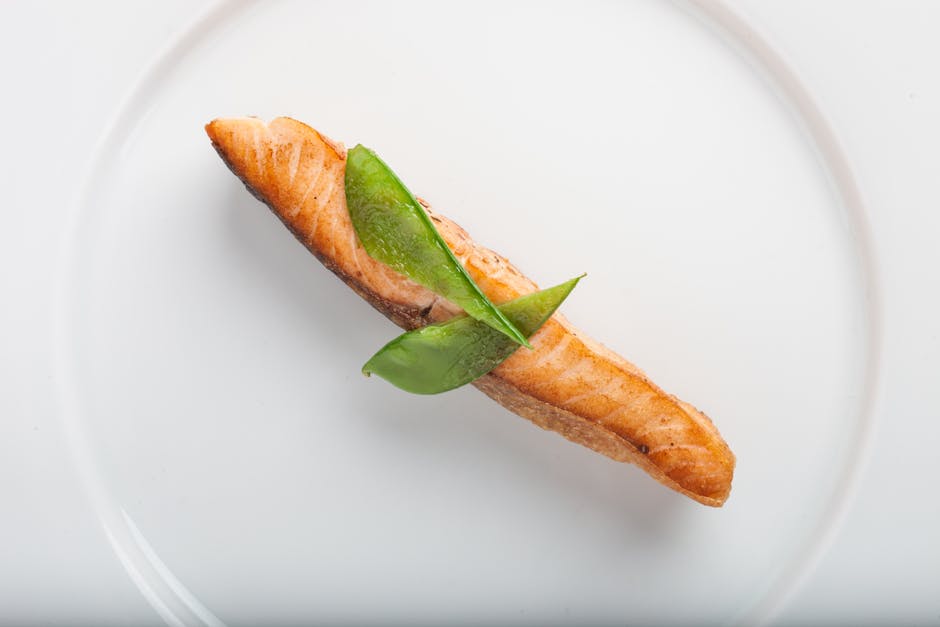
Why Weight Loss Meal Plan For Men 50 Matters
Weight management is crucial for men over 50 as the body undergoes various physiological changes that can impact health. Hormonal shifts, decreased muscle mass, and a slowing metabolism often make weight loss more challenging. Carrying excess weight increases the risk of several chronic conditions, including heart disease, diabetes, and joint issues. A weight loss meal plan tailored to this age group can help combat these risks and promote healthy aging. Focusing on whole, nutrient-dense foods rather than pre-packaged, processed items can also improve energy levels and mood, allowing men to engage more fully in daily activities and enjoy a better quality of life. Furthermore, learning sustainable eating habits reduces the likelihood of rebound weight gain, making it easier to maintain weight loss long-term. By following a straightforward meal plan, men can not only achieve their weight loss goals but also embrace a lifestyle that supports long-term health and vitality.
Simple Strategy
- Prioritize whole foods like fruits, vegetables, lean proteins, whole grains, and healthy fats in your meals.
- Incorporate regular physical activity that you enjoy, such as walking, swimming, or cycling, to boost metabolism.
- Stay hydrated and choose water over sugary drinks to support overall health and weight loss.
These strategies work best when personalized to your lifestyle and goals.
Build Your Personalized Nutrition Plan
Most people know what foods are healthy. The hard part is knowing what to eat today. Today's Food Coach creates a simple, personalized daily plan based on your goals and lifestyle.
Start Your PlanExample Day of Eating
Start your day with a hearty breakfast of oatmeal topped with fresh berries and a sprinkle of nuts for added protein. For lunch, enjoy a grilled chicken salad with mixed greens, tomatoes, cucumbers, and a vinaigrette dressing. Dinner can consist of baked salmon with steamed broccoli and quinoa. Include healthy snacks like Greek yogurt or a piece of fruit between meals to keep hunger at bay.
Common Mistakes
- Relying too heavily on processed and convenience foods instead of whole, unprocessed choices.
- Ignoring portion sizes, which can lead to overeating even healthy foods.
- Skipping meals, thinking it will help with weight loss, which can backfire and increase cravings later.
Practical Tips
- Prepare meals in advance to prevent unhealthy choices during busy days.
- Focus on protein at every meal to help you feel fuller for longer.
- Listen to your body and eat mindfully, stopping when you're satisfied instead of overly full.
Frequently Asked Questions
What should I include in a weight loss meal plan?
A weight loss meal plan should include plenty of fruits, vegetables, lean proteins, whole grains, and healthy fats, focusing on whole foods rather than processed options.
Is it necessary to count calories for weight loss?
No, focusing on balanced meals and portion sizes can be more effective for sustainable weight loss than counting calories.
How can I stay motivated while following a meal plan?
Set realistic goals, track your progress, and allow for flexibility in your plan to help maintain motivation over time.
Related Nutrition Guides
- How To Stop Overeating At Night
- Why Am I Gaining Weight After 50
- Healthy Options At A Steakhouse For Weight Loss
Try Today's Food Coach
Generate a personalized meal strategy based on your lifestyle and goals.
Try the AI Food Coach